Organic vs Paid Social Media Marketing: What Works Better for Business Growth?
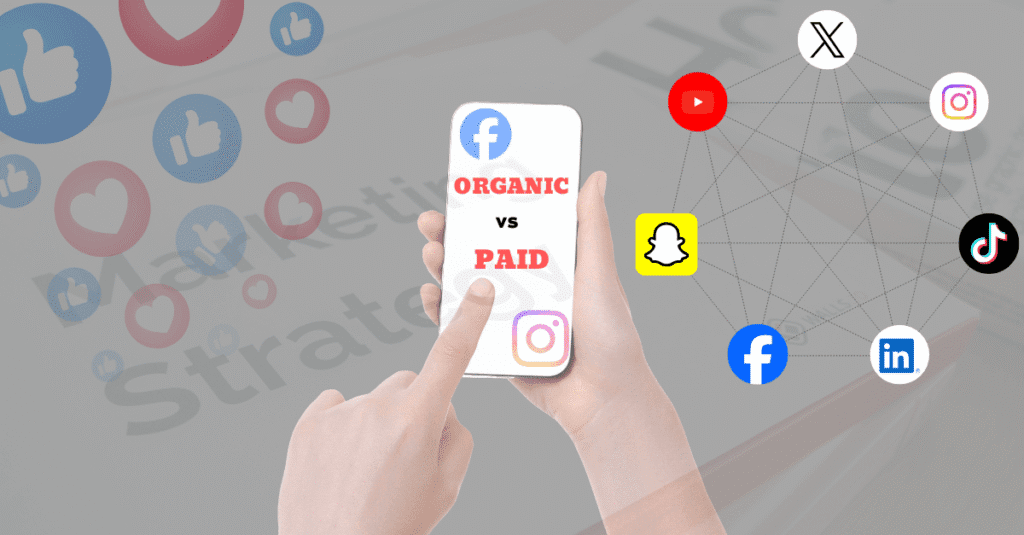
Businesses today invest heavily in social media marketing, yet one question remains constant: organic vs paid social media marketing — what truly works better? With brands competing for attention across platforms, choosing the right strategy is critical for visibility, engagement, and long-term growth.
The reality is that both organic and paid approaches play a vital role in modern digital marketing services, but their impact depends on how and when they are used.
Understanding Organic Social Media Marketing
Organic social media marketing focuses on building an audience naturally through consistent content, engagement, and community building. This includes regular posts, reels, stories, comments, and value-driven content that educates or entertains users.
Organic growth supports long-term brand authority and aligns closely with SEO principles, where consistency and relevance help improve visibility over time. While organic marketing builds trust and credibility, it often requires patience, as results are gradual and depend heavily on platform algorithms.
For brands focused on sustainability and authenticity, organic marketing forms the foundation of a strong online presence.
What Is Paid Social Media Marketing?
Paid social media marketing involves promoting content through ads to reach a targeted audience instantly. This approach falls under performance marketing, where campaigns are measured through clicks, leads, conversions, and return on investment.
Paid ads allow businesses to:
- Reach specific audiences quickly
- Control budgets and targeting
- Scale successful campaigns
- Drive immediate traffic and leads
This is why paid ads vs organic marketing is often debated — paid delivers speed, while organic delivers longevity.
Organic vs Paid Marketing: Key Differences
When comparing organic vs paid marketing, the main difference lies in time and scalability.
Organic marketing:
- Builds long-term trust
- Strengthens brand identity
- Requires consistency and time
Paid marketing:
- Generates immediate visibility
- Is ideal for lead generation
- Depends on ad spend to continue results
Instead of choosing one, smart brands integrate both strategies to maximize impact.
Paid Ads vs Organic Marketing: Which One Performs Better?
There is no universal winner in the debate of paid ads vs organic marketing. Organic strategies are ideal for nurturing audiences and establishing credibility, while paid ads are best for accelerating growth, launching products, or driving conversions.
Businesses that rely solely on organic growth may struggle to scale, while those using only paid ads may face sustainability issues once ad budgets stop. The strongest results come from combining both approaches strategically.
The Role of Performance Marketing in Social Media
Performance marketing connects creative content with measurable outcomes. High-performing organic content can be amplified through paid ads, ensuring maximum reach and efficiency. This data-driven approach allows brands to optimize campaigns continuously and invest only in what delivers results.
When done correctly, performance marketing turns social media from a branding tool into a predictable growth channel.
Why SEO and Website Development Still Matter
Even the best social media strategy needs support from strong SEO and website development. Social media brings traffic, but websites convert that traffic into leads and customers.
Optimized landing pages, fast-loading websites, and clear calls-to-action significantly improve the performance of both organic and paid campaigns. Without proper website development, social media efforts often fail to deliver real business results.
Final Verdict: Organic vs Paid Social Media Marketing
So, organic vs paid social media marketing — what works better?
The answer is simple: they work best together.
Organic social media builds trust and long-term authority, while paid social media accelerates reach and conversions. Brands that balance both approaches create a scalable, sustainable digital strategy that supports growth across all stages of the customer journey.
If your goal is real business impact, combining organic content, paid ads, performance marketing, SEO, and solid website development is the smartest move.